

Commercial carpet fibers: everything you need to know
In the demanding world of commercial flooring, every detail matters. When searching for the perfect carpet for your space, selecting the right fiber is crucial to ensuring durability, aesthetics, and comfort. In this article, we'll explore the different types of carpet fibers, their advantages and disadvantages, and the many benefits carpet offers in a commercial environment.
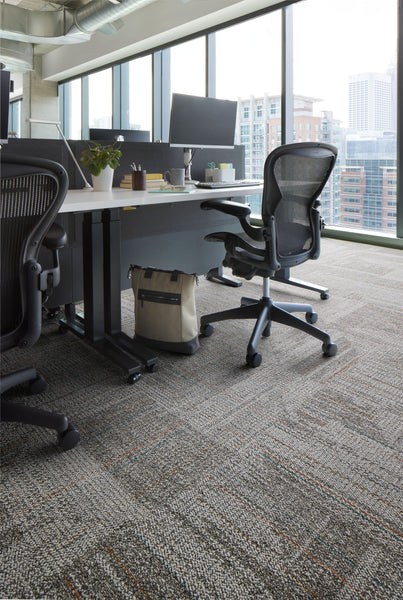
Rug from the Open Air Stria collection by Interface, made of recycled nylon
Understanding the different commercial carpet fibers: fiber types and their characteristics
There are several types of fibers used in carpet manufacturing, each with its own characteristics in terms of durability, comfort, maintenance, and aesthetics. Here are some of the most common types of fibers used in carpet making, along with considerations regarding their quality:
-
Nylon fiber: As a champion of durability and wear resistance, nylon is a popular choice for commercial environments. Its ability to retain color, ease of care, and stain resistance make it a smart choice. Different grades of nylon can vary depending on factors such as fiber density, the type of stain-resistant treatment applied, and crush resistance. However, it can be more expensive than other options.
- Polyester fiber: Prized for its softness and stain resistance, polyester is a more economical option. It offers excellent color retention and a comfortable feel underfoot. However, it may be less durable than nylon and tend to flatten more quickly in high-traffic areas. The quality of polyester can depend on the fiber density, how it is treated to resist stains, and its overall durability.
-
Polypropylene fiber: Polypropylene is often used in low-priced carpets because of its affordability. It is stain-resistant, moisture-resistant, and fade-resistant, but it may be less durable than nylon or polyester. The quality of polypropylene can vary depending on the fiber density and how it is treated to resist stains.
-
Wool rugs: Wool offers unparalleled quality and luxury. Resistant to stains, moisture, and odors, it is also naturally flame-retardant and antibacterial. However, wool rugs can be more expensive than those made of synthetic fibers, and their care may require more attention. The quality of wool often depends on the origin of the fiber and how it is processed and woven.
-
Blended fiber rugs: By combining the advantages of different fibers, blended fiber rugs often offer a versatile solution. For example, a combination of nylon and polyester can offer durability, stain resistance, and added softness.
The overall quality of a rug depends not only on the type of fiber used, but also on factors such as fiber density, rug construction, and protective treatments applied.
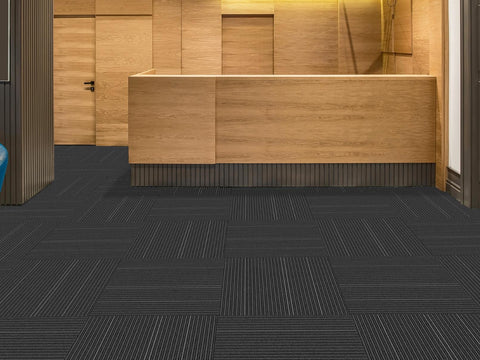
Toll free, polypropylene collection by Centura
The importance of fiber density in commercial carpets
Fiber density is a crucial factor to consider when choosing a commercial carpet. It refers to the amount of fibers per unit area and directly influences the carpet's wear resistance, durability, and comfort feel.
-
High Density: Carpets with a high fiber density have more fibers per unit area, making them more resistant to crushing and wear. They also retain their aesthetic appearance better over time, making them an ideal choice for high-traffic areas.
-
Low Density: Carpets with a lower fiber density may offer a soft feel underfoot, but they may be less durable and tend to flatten more quickly, especially in commercial environments with heavy traffic.
When selecting carpets, be sure to consider the fiber density in relation to the intended use of the space. A carpet with the appropriate density will ensure not only maximum durability but also optimal comfort for your business's occupants.
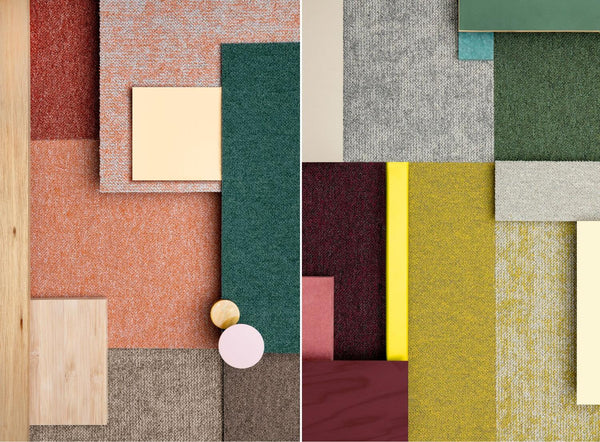
DESSO Essence Elements by Tarkett
The advantages of commercial carpeting: enhance your work environment
In a commercial environment, choosing the right carpet offers a multitude of advantages:
-
Carpet durability: Commercial carpets are designed to withstand heavy use and constant traffic, ensuring long-term durability and reducing replacement costs.
-
Carpet sound insulation: Carpets absorb noise and reduce sound propagation, creating a quieter and more comfortable environment for occupants.
-
The comfort of commercial carpeting: The softness and cushioning of the carpets provide comfort underfoot, reducing fatigue and improving the well-being of employees and customers.
-
The aesthetics of carpet: Available in an endless range of colors, patterns and textures, carpets add an aesthetic touch to any commercial space, reinforcing brand image and creating a welcoming atmosphere.
- Safety: The mats offer a non-slip surface, reducing the risk of slips and falls, and provide protection in case of a fall.
In conclusion, choosing the right type of carpet for your commercial project is essential to ensuring long-term satisfaction. By understanding the different fibers available and the unique advantages carpet offers in a commercial environment, you can make an informed decision that meets your specific needs for durability, comfort, and aesthetics.


